
Decorating with Earth Tones & Wood: How to Create a Warm, Natural Home
Posted by Ava Johnson on 31st Aug 2026
Decorating with Earth Tones & Wood: How to Create a Warm, Natural Home
There is something inherently inviting about a home inspired by the colors and materials found in nature. Warm sand, soft clay, muted greens, creamy whites, and rich browns create a sense of ease, while natural wood adds warmth, character, and texture. Together, earth tones and wood create rooms that feel relaxed and collected rather than overly designed.
While neutral interiors have long been a favorite for coastal and cottage homes, decorating with earth tones offers an opportunity to introduce more depth and color without sacrificing that light, timeless feeling. The key is choosing colors with warm, natural undertones and allowing wood furniture to become part of the palette itself.
Whether you are furnishing an entire room or simply refining your home's color story, these ideas can help you create a warm, natural interior that feels comfortable in every season.
Start with an Earth-Tone Color Palette
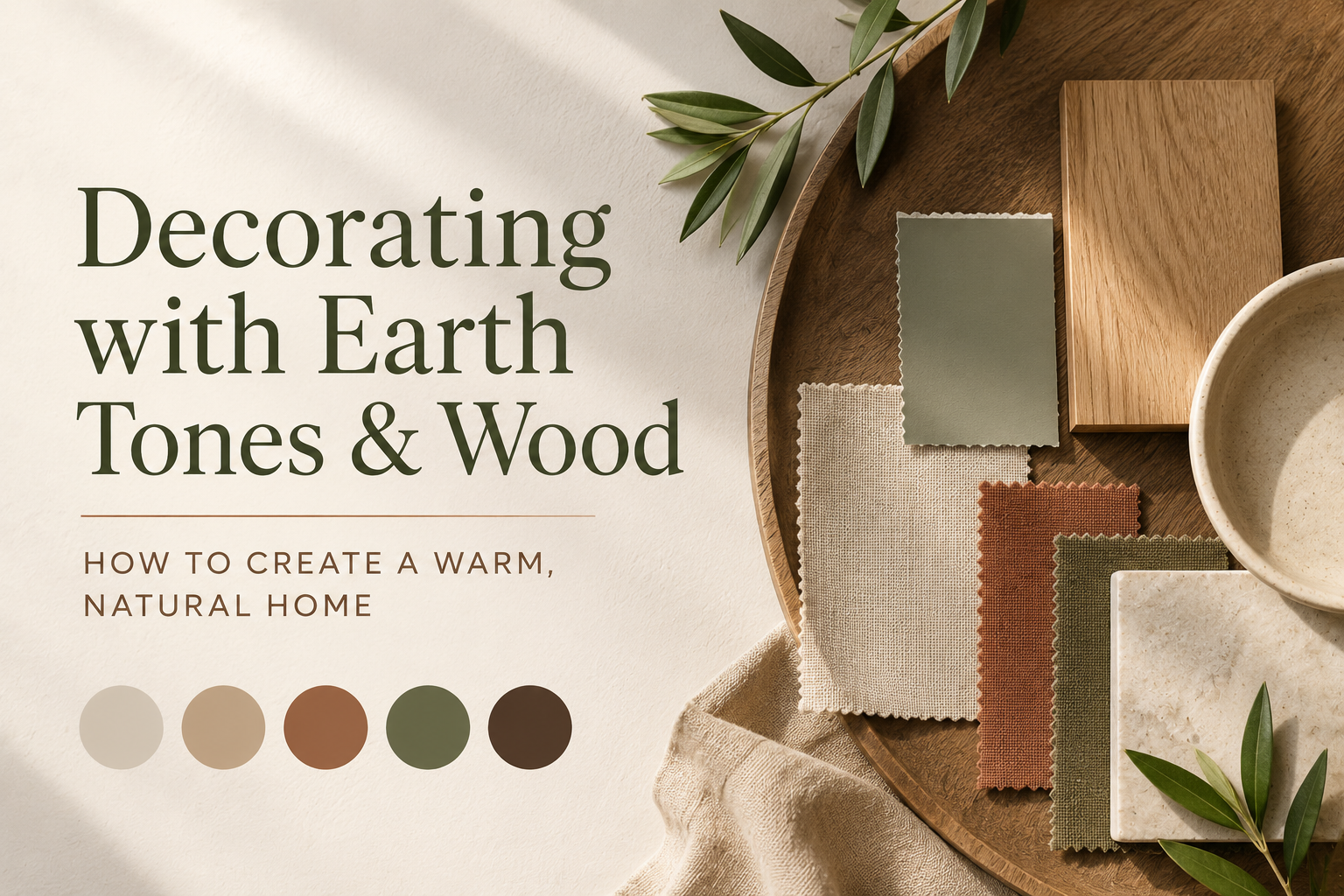
An earth-tone color palette takes its cues from the landscape: sand, stone, soil, greenery, sunbaked clay, and natural wood. These colors tend to be softer and more muted than highly saturated shades, which makes them especially easy to live with.
Warm neutrals are a natural starting point. Cream, ivory, oatmeal, beige, taupe, and camel can establish a quiet foundation, particularly on walls and larger upholstered pieces. From there, introduce subtle color through shades such as olive, sage, terracotta, rust, clay, tobacco, and warm brown.
You don't need to use all of these colors at once. In fact, earth-tone interiors often feel most sophisticated when the palette is restrained.
Try starting with three elements: a warm neutral base, a natural wood finish, and one earthy accent color.
Creamy walls paired with natural oak and muted olive create a fresh, organic look. Sandy beige with medium-toned wood and soft terracotta feels warmer and more collected. Warm white paired with darker wood and touches of camel or tobacco creates beautiful contrast without feeling heavy.
Pay attention to undertones as you make your selections. Warm paint colors with yellow, beige, brown, or subtle red undertones generally complement natural wood more successfully than cool grays or stark whites.
Let Natural Wood Anchor the Room
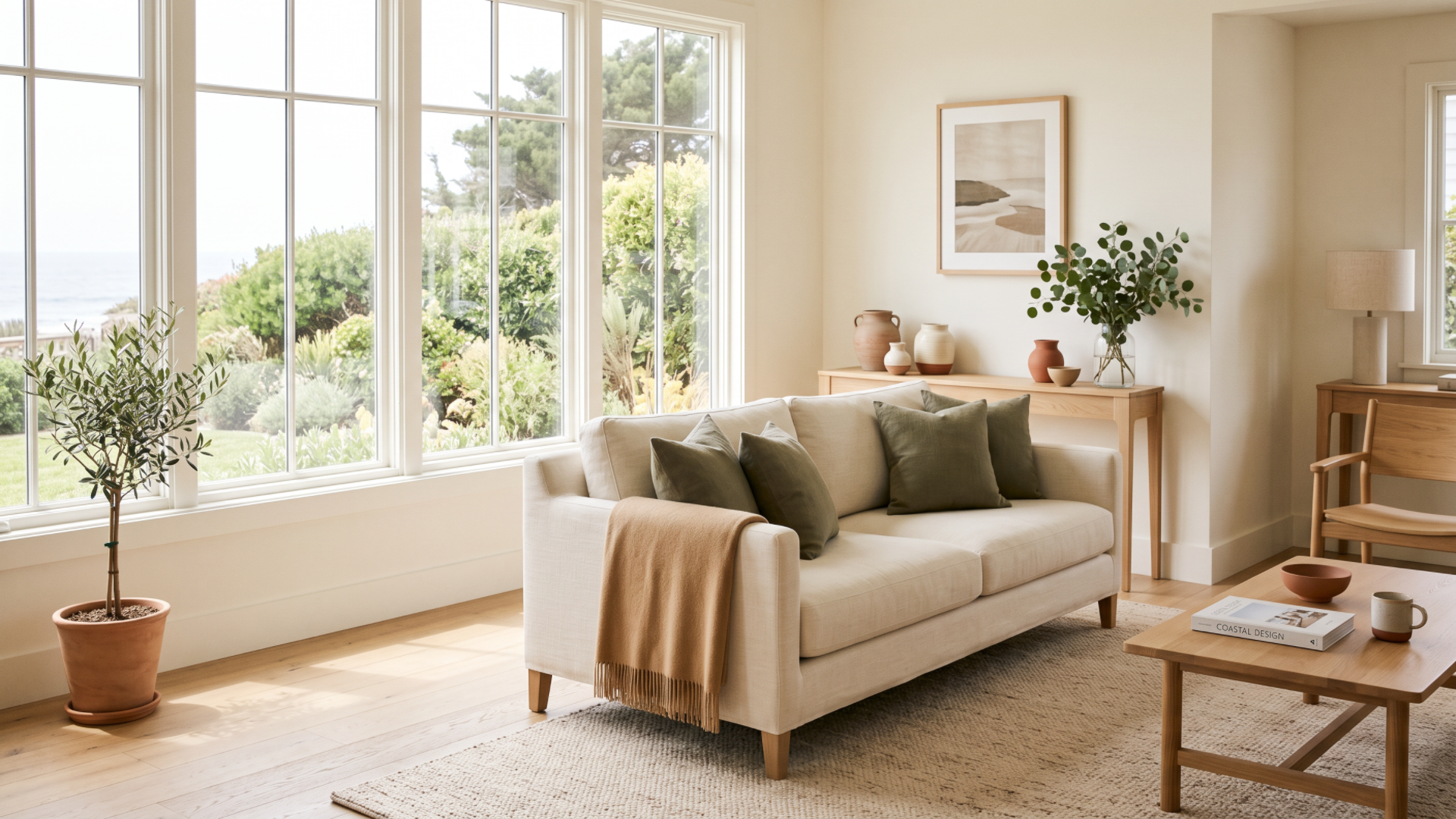
One of the easiest ways to make an earth-tone room feel authentic is to incorporate natural wood furniture. Rather than treating wood as simply another finish, think of it as one of the colors in your palette.
A solid wood bed, dining table, dresser, console, or coffee table can provide a visual anchor for the entire room. Natural variations in grain and tone add depth that painted finishes cannot replicate, while the material itself reinforces the connection to nature that makes earth-tone decorating so appealing.
Consider the mood you want to create when choosing a wood finish.
Lighter woods and natural finishes tend to feel casual and airy, making them particularly well suited to coastal and relaxed cottage interiors. Medium wood tones bring more warmth and richness while remaining versatile. Darker finishes add contrast and can give an otherwise light room a sense of depth and permanence.
The goal isn't necessarily to choose the lightest possible wood for a coastal home. A darker dresser against a creamy wall, for example, can become a beautiful focal point when the surrounding palette remains soft and natural.
Wood also evolves beautifully over time. Small variations in grain, knots, and tone are part of what gives solid wood furniture its character, helping a room feel collected rather than perfectly matched.
Mix Wood Tones Instead of Matching Them
A common decorating misconception is that all the wood finishes in a room should match. In reality, using the same finish on every piece can make a space feel flat.
A more natural approach is to mix complementary wood tones.
Begin by identifying the dominant wood finish in the room. This might be your dining table, bed, flooring, or another substantial piece of furniture. Then introduce one or two additional wood tones that provide subtle contrast.
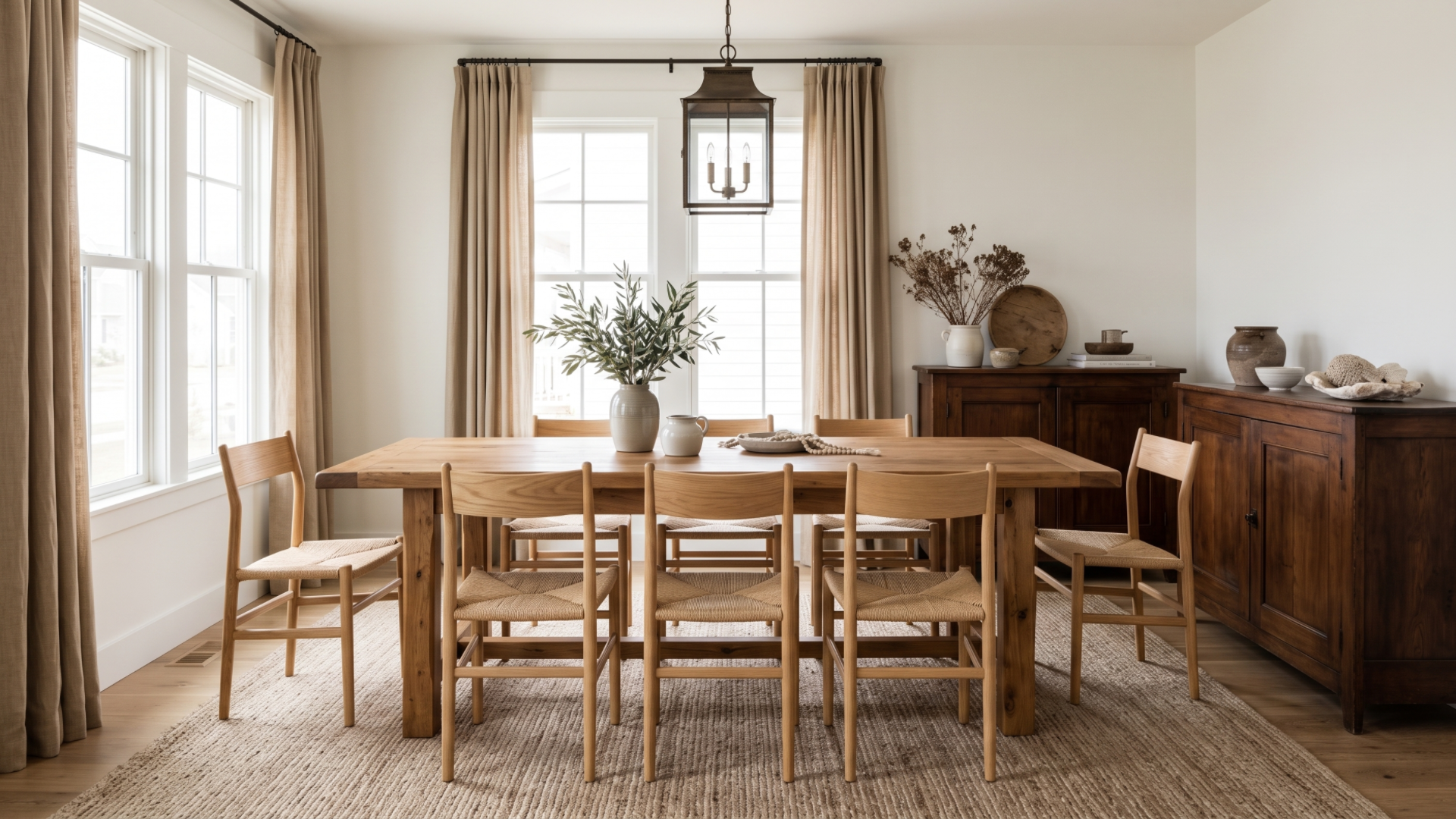
A natural wood dining table, for example, can work beautifully with slightly darker chairs or a painted buffet. A lighter wood bed can be paired with a medium-toned dresser rather than an identical bedroom set.
Look at the undertones of the wood as well as its overall color. Some woods lean golden or honey-colored, while others have brown, red, gray, or neutral undertones. They don't need to be identical, but repeating similar warmth throughout the room helps different finishes feel intentional.
You can also create breathing room between woods with other materials. An upholstered chair, woven rug, painted nightstand, linen bedding, or ceramic lamp can visually separate two wood finishes and prevent the room from feeling overly coordinated.
Think collected, not matched.
Layer Earth Tones Through Textiles and Texture
Once the larger elements of the room are established, textiles offer an easy way to build richness into an earth-tone palette.
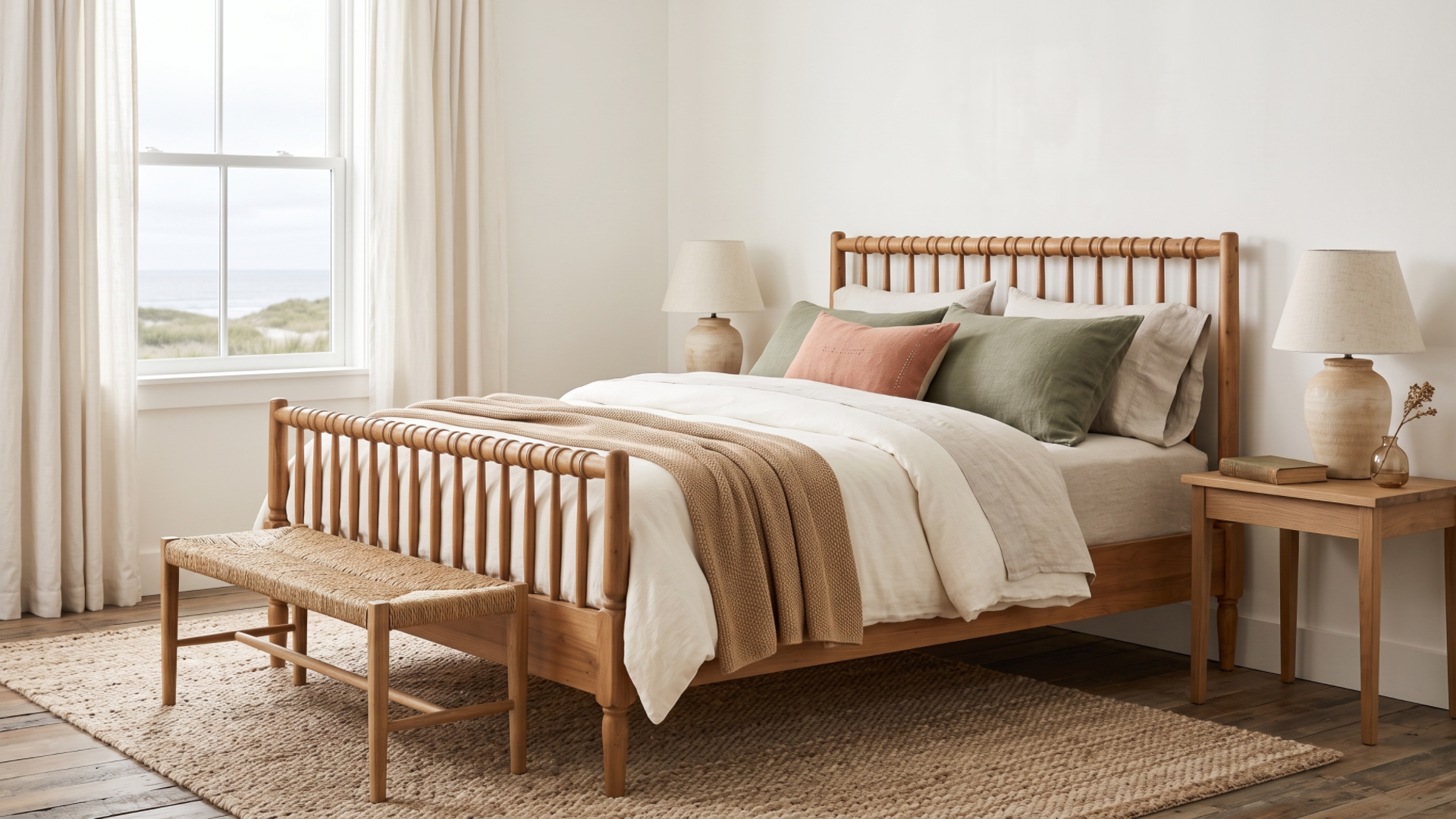
Instead of relying on many different colors, layer variations of a few related shades. Cream bedding might be paired with a camel throw and muted olive pillows. A warm beige sofa could sit on a natural jute or wool rug with subtle brown, rust, or sand-colored pattern.
Texture is particularly important when decorating with earth tones because many of the colors are intentionally understated. Linen, cotton, wool, jute, rattan, cane, seagrass, and woven fibers give the eye something to explore even when the palette remains quiet.
A room filled with cream and beige can feel surprisingly dimensional when it combines washed linen, woven rugs, solid wood, ceramic accessories, and natural fibers.
Earthy colors also don't need to dominate the room to make an impact. A faded terracotta pillow, olive throw, warm brown stripe, or muted botanical pattern may be enough to bring an otherwise neutral space to life.
This restrained use of color works especially well in coastal and cottage homes, where the goal is often to maintain a sense of lightness while adding warmth and personality.
Balance Warmth with Light and Contrast
Earth tones and wood naturally bring warmth to a room, but balance is what keeps the look fresh.
If every surface is beige, brown, or medium-toned wood, the room can begin to feel visually heavy. Give warmer elements space by incorporating lighter colors and moments of contrast.
Warm white or creamy walls are an easy way to brighten a room filled with natural wood. Light linen upholstery, ivory bedding, pale rugs, and simple window treatments can serve the same purpose. Natural light will further emphasize the variations in wood grain and subtly shift earthy colors throughout the day.
Then add a few darker elements to give the room definition. A deep brown wood finish, dark bronze lighting, charcoal accent, or black frame can create just enough contrast to keep a soft palette from becoming washed out.
The same principle applies to accessories. Rather than filling every surface, allow some areas to remain simple. A beautiful piece of wood furniture has more impact when its craftsmanship and grain aren't hidden beneath excessive styling.
Create a Home That Feels Naturally Collected
Decorating with earth tones isn't about following a strict color formula. It's about creating a home where colors and materials relate naturally to one another.
Start with a warm, neutral foundation. Allow solid wood furniture to provide character and depth. Introduce earthy colors selectively through rugs, bedding, pillows, artwork, and accessories. Mix complementary wood finishes instead of trying to match every piece, and balance warmer tones with plenty of light and breathing room.
The result is a home that feels relaxed, welcoming, and timeless—a space inspired by nature but designed for everyday living.
At Cottage & Bungalow, we love interiors that feel as though they have evolved over time. Natural wood furniture, layered textiles, woven textures, and softly weathered colors make it possible to create rooms with warmth and personality while maintaining the easy elegance of coastal and cottage style.
Explore Cottage & Bungalow's collection of solid wood furniture, rugs, bedding, and home accents to bring natural warmth and timeless character into your home.