

Rug Size Guide: How to Choose the Right Rug for Every Room
Posted by Ava Johnson on 27th Mar 2024
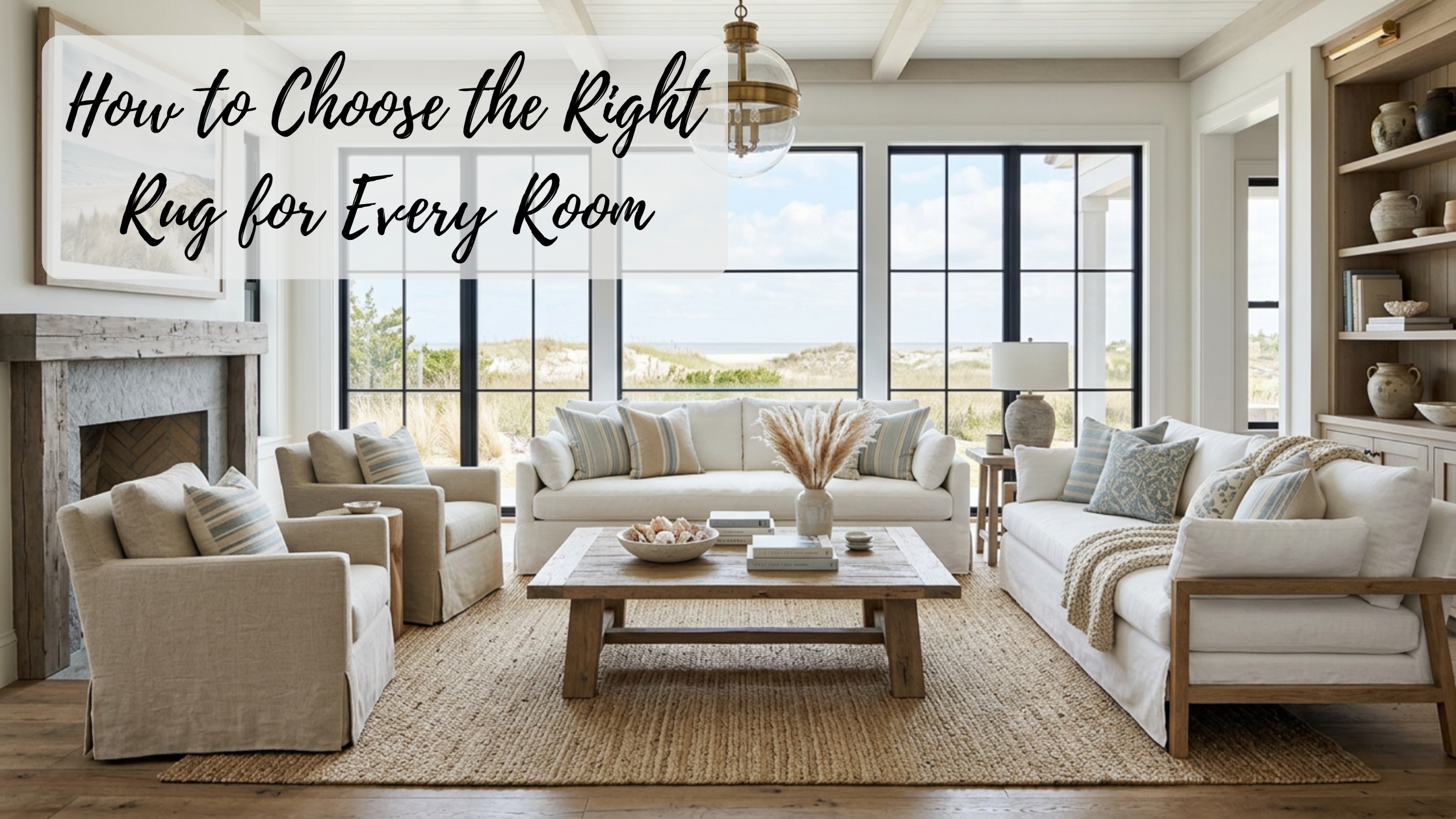
Rug Size Guide: How to Choose the Right Rug for Every Room
A beautiful rug does more than soften a room—it helps define spaces, adds texture and warmth, and creates a finished, intentional look. But even the most stunning rug can feel out of place if the size isn't right.
One of the most common decorating mistakes homeowners make is choosing a rug that is too small for the space. A properly sized rug helps anchor furniture, improve room flow, and create visual balance.
This rug size guide will walk you through the best rug sizes and rug placement tips for living rooms, bedrooms, dining rooms, and hallways so you can confidently choose the right rug for your home.
Living Room Rug Placement
The living room is often the largest gathering space in the home, making rug placement especially important. A rug should connect the seating arrangement and create a cohesive conversation area rather than feeling like a small accent floating in the middle of the room.
Rug Size Guide for Living Rooms
For most living rooms, larger rugs create a more polished look. A rug that is too small can make furniture feel disconnected and the room feel unfinished.
When choosing a living room rug:
- Position the rug beneath the front legs of all sofas and chairs.
- Leave approximately 18–24 inches between the rug and surrounding walls when possible.
- Ensure the rug extends beyond the coffee table and seating arrangement.
- Select a material that fits your lifestyle and level of foot traffic.
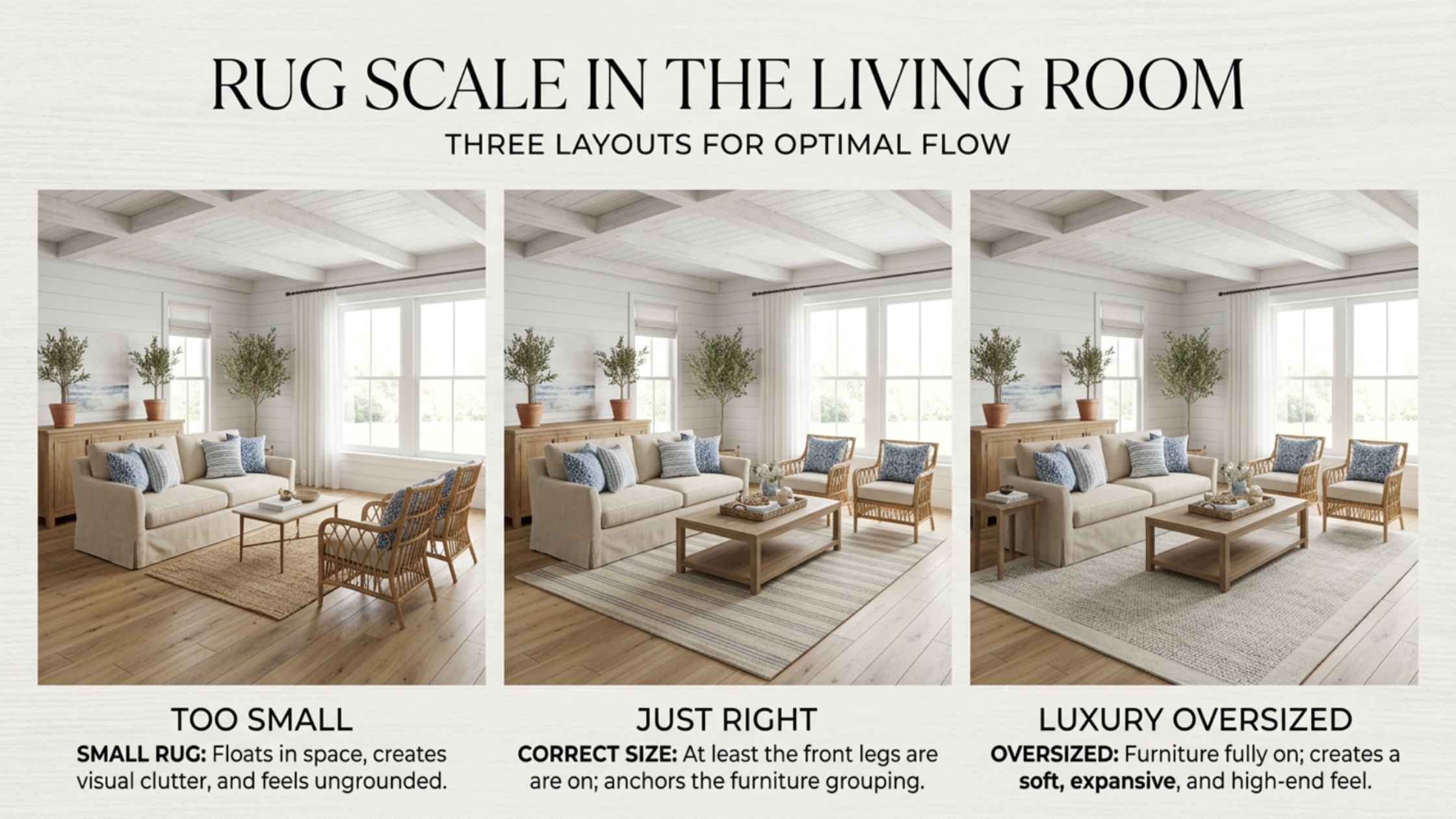
Common Living Room Rug Sizes
- 8' x 10' rugs work well in smaller living rooms.
- 9' x 12' rugs are ideal for most standard living rooms.
- 10' x 14' rugs work beautifully in larger open-concept spaces.
In coastal and farmhouse interiors, larger rugs often help create the relaxed, layered look that makes a room feel welcoming and comfortable.
Bedroom Rug Placement
Adding a rug is one of the easiest ways to make a bedroom feel warmer and more inviting. Since the bed is the focal point of the room, it should guide your rug placement decisions.
A properly sized rug allows you to step onto a soft surface when getting in and out of bed while helping frame the furniture arrangement.
Rug Size Guide for Bedrooms
When selecting a bedroom rug, aim for 18–24 inches of rug extending beyond each side of the bed. This creates balance and provides a comfortable landing spot for your feet.
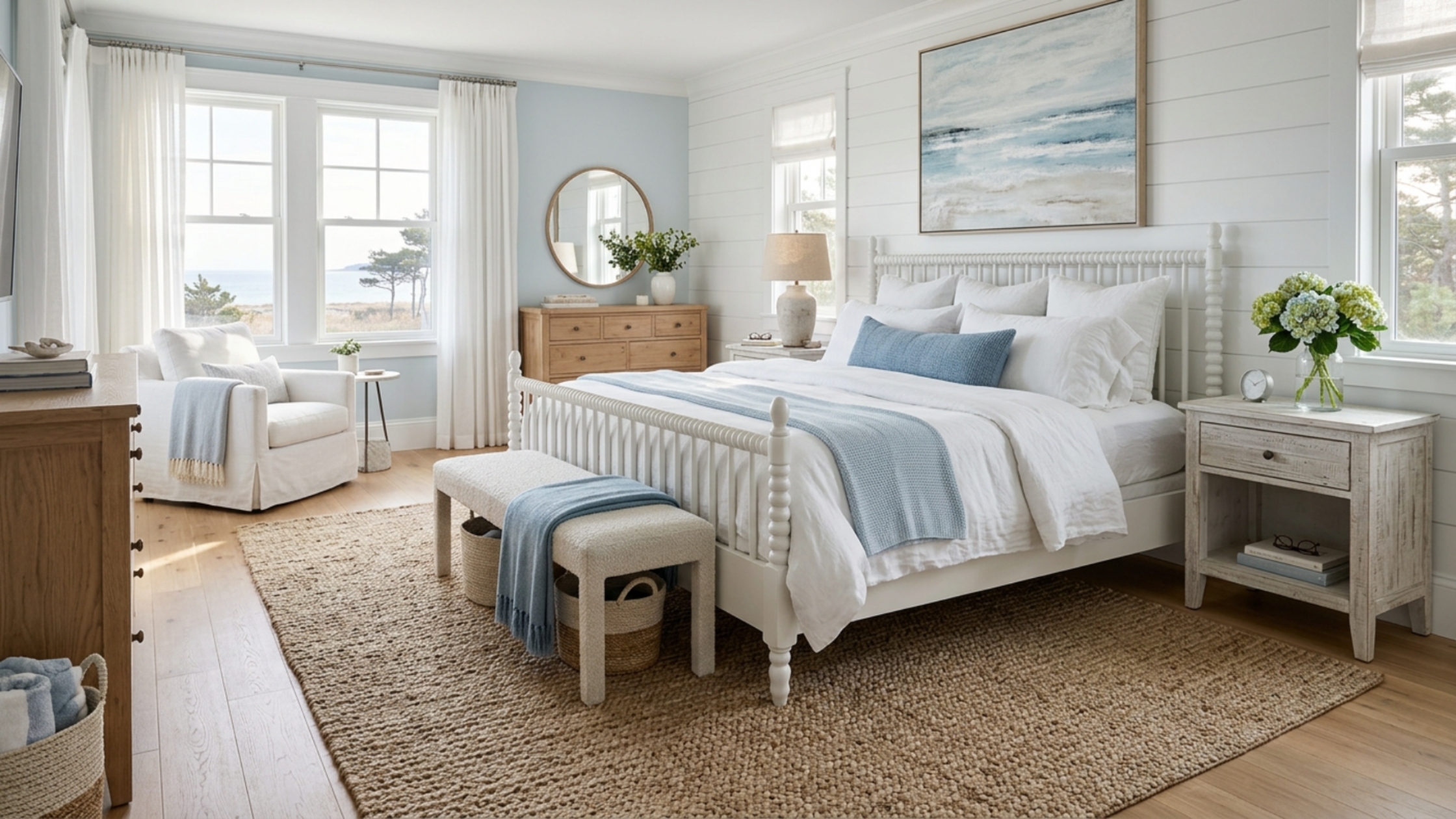
King Bed Rug Sizes
For a king bed:
- A 9' x 12' rug is typically the ideal choice.
- The rug should extend beyond the sides of the bed and often beneath the nightstands.
- Smaller rugs can feel undersized in larger primary bedrooms.
Queen Bed Rug Sizes
For a queen bed:
- An 8' x 10' rug is usually the best option.
- A 6' x 9' rug may work in smaller rooms.
- Make sure enough rug remains visible around the bed to create visual impact.
Alternative Bedroom Rug Placement
If a full-size rug isn't practical, consider:
- Runners on both sides of the bed
- A runner at the foot of the bed
- Layering smaller accent rugs for added texture
These options can still provide comfort while maintaining a stylish, collected look.
Dining Room Rug Placement
Dining rooms require careful planning because both the table and chairs need to fit comfortably on the rug.
One of the most important principles in any rug buying guide is ensuring that chairs remain on the rug even when pulled out for seating.
Rug Size Guide for Dining Rooms
The rug should extend approximately 24 inches beyond the table on all sides. This gives chairs enough room to move without catching on the edge of the rug.
When selecting a dining room rug:
- Match the shape of the rug to the shape of the table whenever possible.
- Ensure all chair legs remain on the rug when chairs are occupied.
- Choose durable materials that can handle spills and daily use.
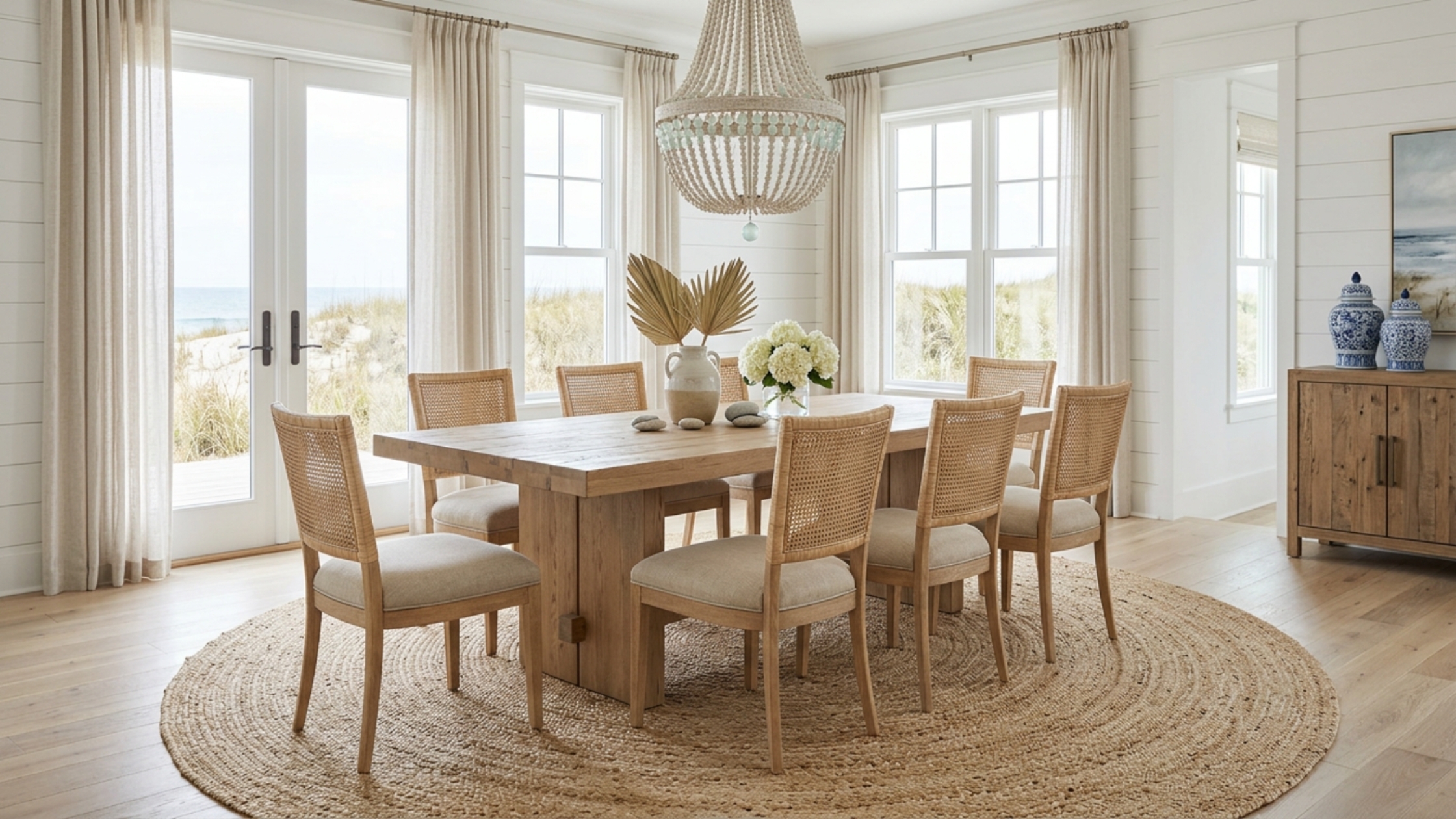
Common Dining Room Rug Sizes
- 8' x 10' rugs work well for many dining rooms seating 4–6 people.
- 9' x 12' rugs are often ideal for larger dining tables seating 6–8 people.
- Round rugs pair beautifully with round dining tables.
A properly sized dining room rug creates a sense of structure while adding softness and warmth beneath the table.
Hallway and Runner Rug Placement
Runners are one of the most versatile rug options in the home. While commonly used in hallways, they also work beautifully in kitchens, bathrooms, entryways, and alongside beds.
In addition to protecting floors in high-traffic areas, runners help soften sound and add character to transitional spaces.
Rug Size Guide for Hallways
For the best rug placement:
- Leave 3–5 inches of visible flooring on each side of the runner.
- Center the runner within the hallway.
- Avoid runners that extend wall-to-wall.
- Use a quality rug pad to prevent slipping.
Because hallways receive significant daily traffic, durable materials such as wool and performance fibers are often excellent choices.
Rug Buying Guide: Final Tips
Before purchasing a rug, measure your space carefully and use painter's tape to outline potential rug sizes on the floor. This simple step helps visualize how the rug will fit within the room and can prevent costly sizing mistakes.
Remember these key guidelines:
- Bigger is usually better than too small.
- Anchor furniture with your rug whenever possible.
- Maintain consistent spacing around the perimeter of the room.
- Match rug shape to the furniture arrangement.
- Consider both aesthetics and everyday function.
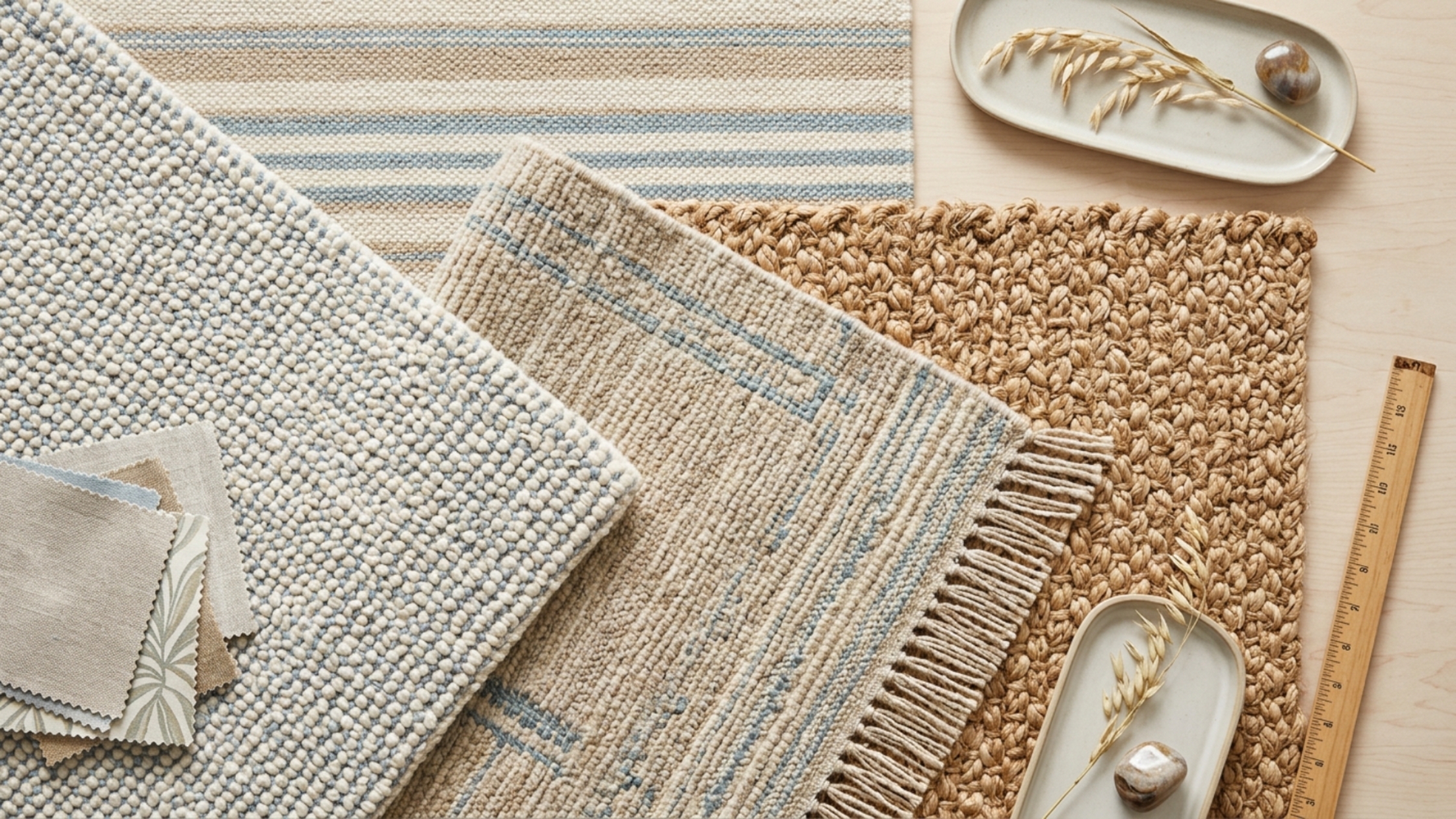
The right rug size can transform a room, making it feel more balanced, comfortable, and thoughtfully designed.
Whether you're furnishing a coastal retreat, a relaxed farmhouse bedroom, or a welcoming family room, following this rug size guide will help you choose a rug that enhances your space for years to come.
Explore Cottage & Bungalow's collection of coastal rugs, farmhouse rugs, and timeless designs to find the perfect finishing touch for your home.