
What Makes a Room Feel Designer? 6 Details That Make the Difference
Posted by Ava Johnson on 16th Nov 2026
What Makes a Room Feel Designer? 6 Details That Make the Difference
Beautiful interiors aren't simply about having beautiful furniture. They're about how every element works together to create a space that feels balanced, intentional, and effortlessly inviting.
We've all walked into a room that just feels right. The furniture is thoughtfully arranged, the colors seem to belong together, and even the smallest details contribute to a sense of harmony. Nothing feels overly coordinated or deliberately staged, yet everything seems to have its place.
What makes these spaces so appealing isn't necessarily an unlimited decorating budget or access to exclusive furnishings. More often, it's an understanding of a few fundamental design principles that professionals use to bring a room together.
From the scale of a rug to the placement of a lamp, the most memorable interiors are shaped by decisions that may seem subtle on their own but make a remarkable difference when considered together.
The good news? You don't need to redesign your entire home to achieve that polished, collected look. By approaching your space with a designer's eye, you can make thoughtful changes that elevate the furniture you already love.
Here are six details that make all the difference.
1. Start With Scale and Proportion
One of the first things interior designers consider when entering a space is proportion. How does the furniture relate to the size of the room? Do the individual pieces feel balanced with one another? Is there enough breathing room for the eye to move comfortably throughout the space?
Even the most beautiful furnishings can feel out of place when their scale isn't quite right. A petite coffee table surrounded by oversized seating may appear lost, while a large sectional in a compact living room can make the entire space feel crowded.
Area rugs are particularly important in establishing these relationships. A rug that's too small can make furniture appear disconnected, almost as though each piece is floating independently. A generously proportioned rug, on the other hand, creates a visual foundation that brings everything together.
In a living room, designers often choose a rug large enough to accommodate at least the front legs of the primary seating pieces. This simple decision creates a sense of connection and makes the arrangement feel more intentional.
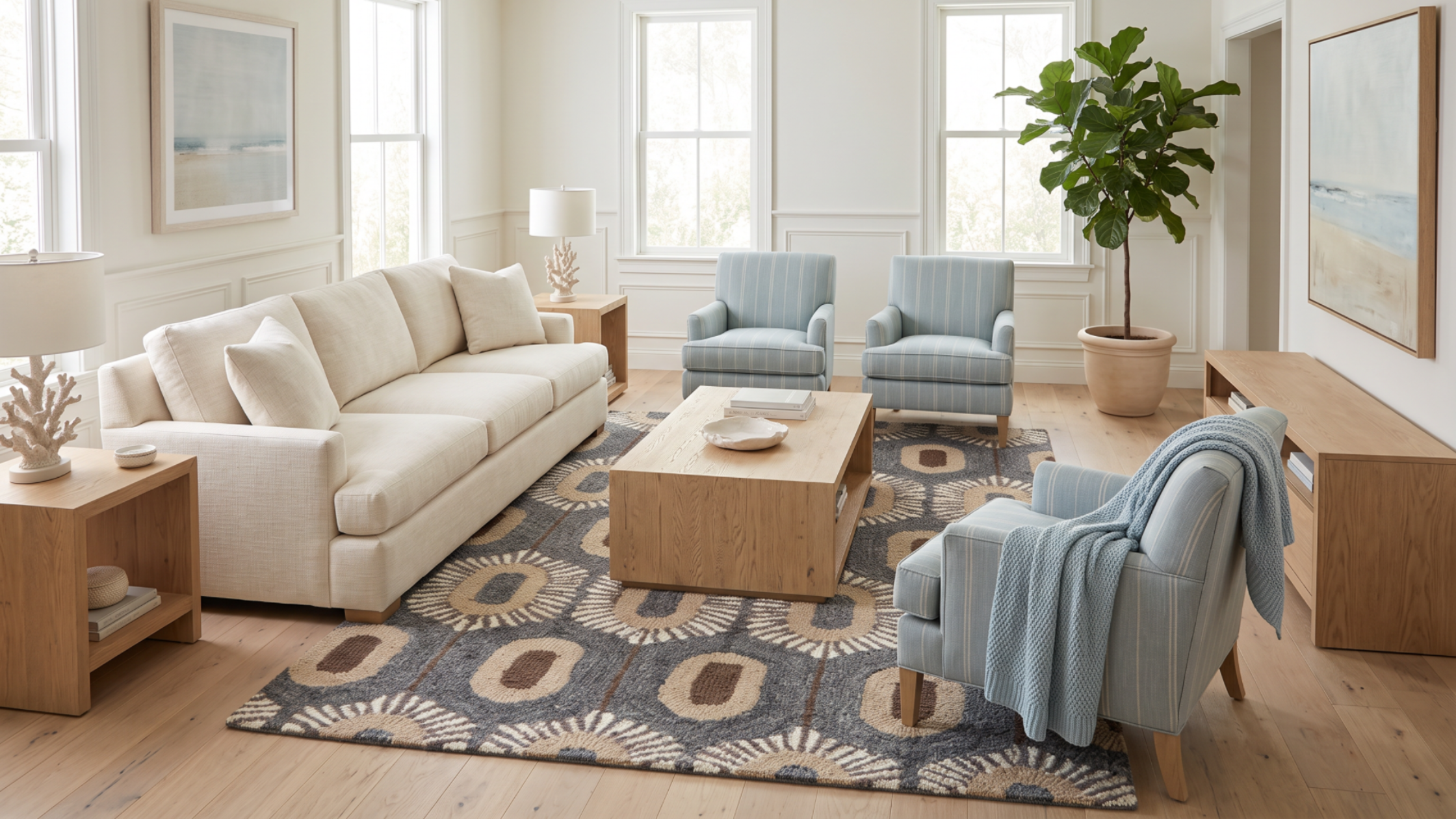
The Stowe MicroHooked Wool Rug is a beautiful example of how a thoughtfully selected rug can become the foundation for a cohesive room.
The designer's lesson is simple: before adding more furniture or accessories, make sure the proportions of what you already have are working in harmony.
2. Give the Eye Somewhere to Land
Every beautifully designed room needs a focal point: something that naturally draws the eye and establishes the character of the space.
In a living room, this might be an architectural fireplace, an oversized piece of artwork, or a distinctive cabinet. In a bedroom, the bed often becomes the centerpiece around which the rest of the design unfolds.
Without a clear focal point, a room can feel visually scattered. When too many pieces compete for attention, even individually beautiful furnishings lose some of their impact.
Designers approach this by establishing a visual hierarchy. One element takes center stage, while surrounding pieces provide balance and support. This doesn't mean everything else needs to be understated, but rather that each piece should have a purpose within the overall composition.
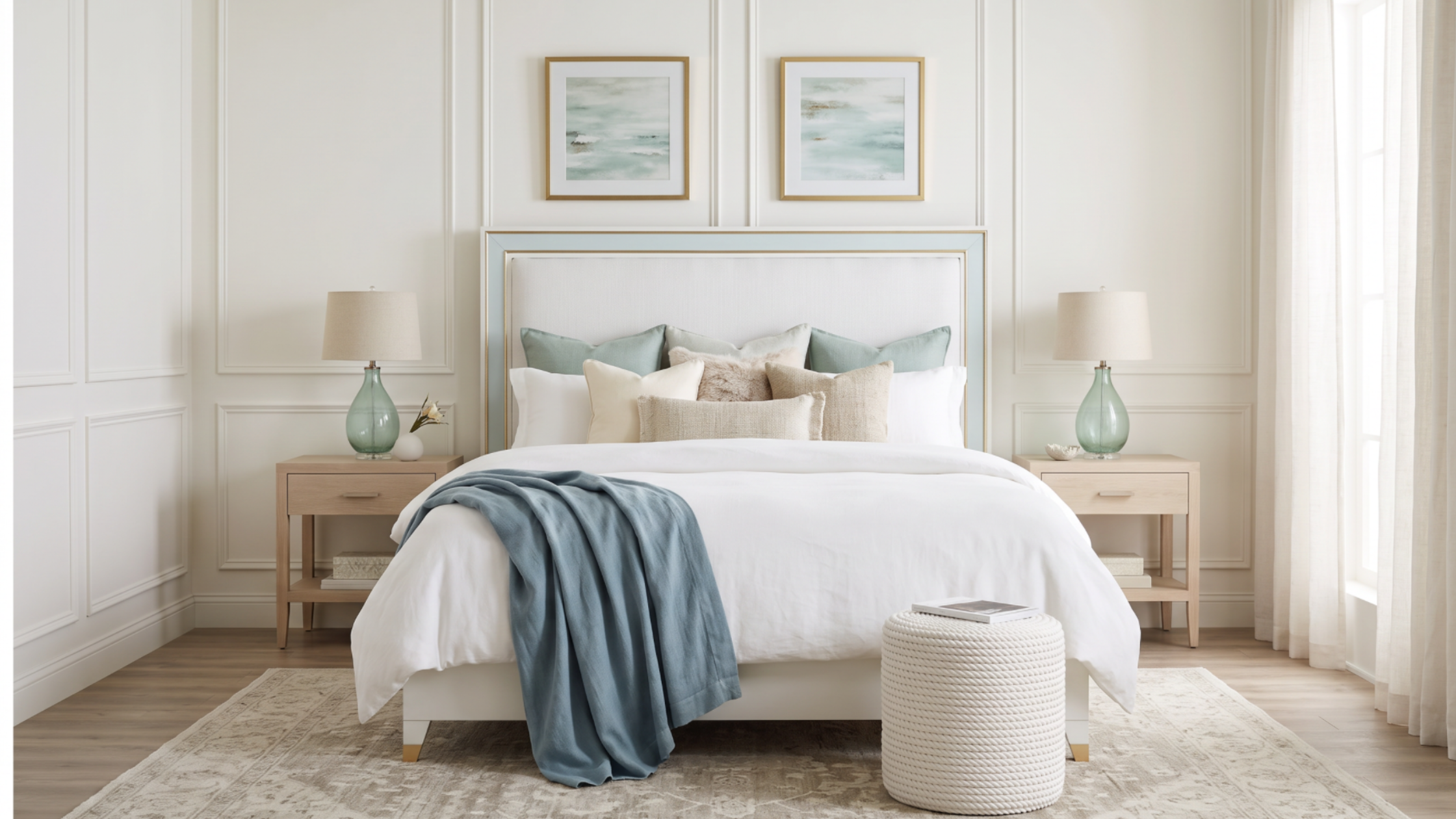
The Seaglass Bed offers an opportunity to build a bedroom around a distinctive furniture piece. Instead of filling the room with competing statement furnishings, allow the bed to establish the visual direction, then introduce complementary nightstands, lighting, and bedding.
Consider leaving some space around your focal point, too. Negative space is one of the most overlooked elements of good design. Giving a beautiful piece room to breathe often makes it feel even more special.
3. Mix Materials for Depth and Interest
A room where every surface has the same finish or texture can feel surprisingly flat, even when the color palette is beautiful.
Professional designers create visual interest by introducing a thoughtful combination of materials. Smooth surfaces are balanced with texture, warm woods sit alongside cooler finishes, and soft textiles provide contrast against more structured furniture.
Think about the difference between a room filled entirely with painted furniture and one that incorporates a natural wood cabinet, a linen-covered chair, a woven rug, and a ceramic lamp. The second arrangement offers layers of visual interest without necessarily introducing more color.
The key is to create contrast while maintaining a sense of connection.
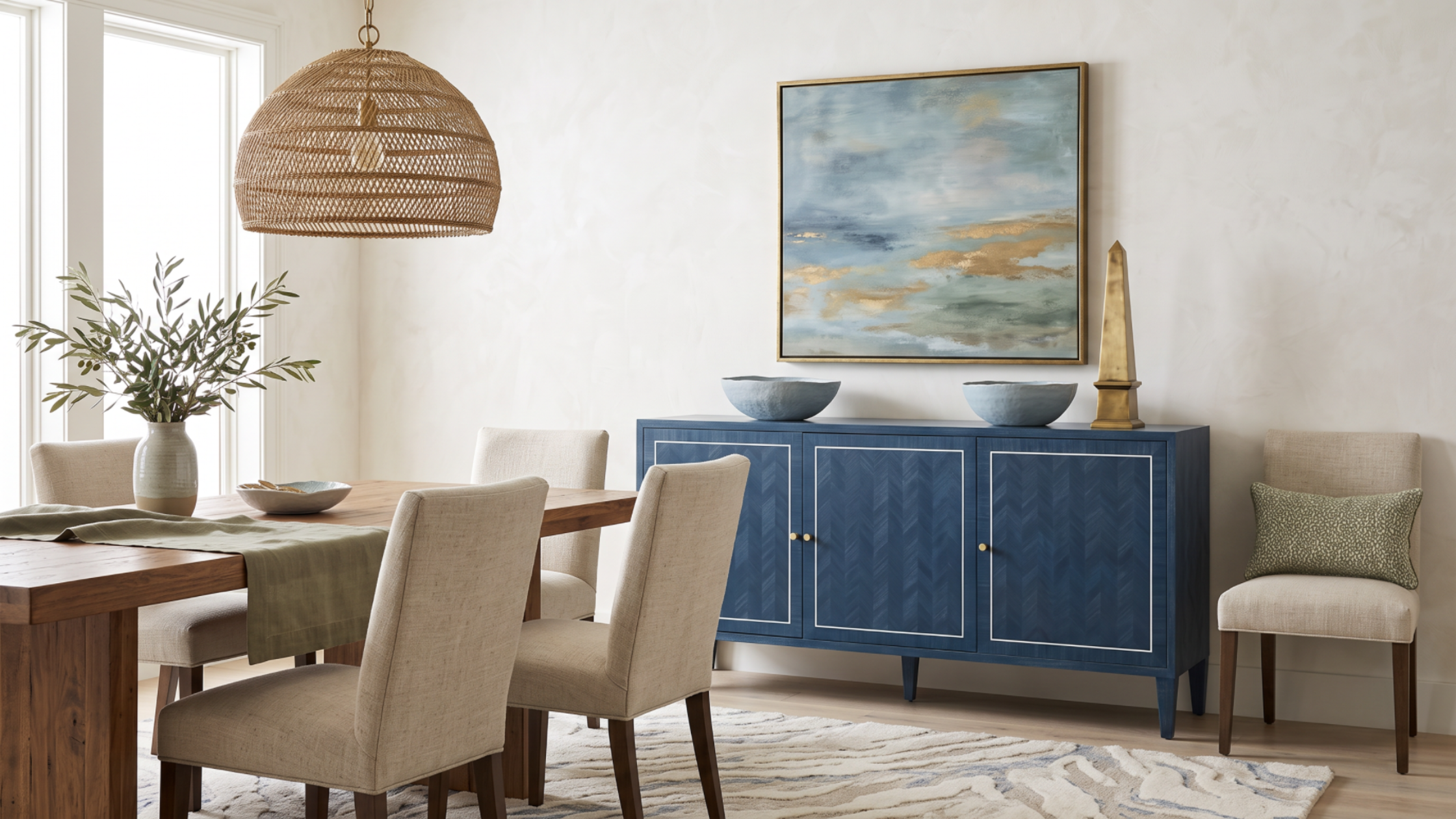
A distinctive piece such as the Oceanic Credenza can provide a compelling starting point for this approach. Pair it with complementary materials in the surrounding room, perhaps soft upholstery, natural fibers, or understated metal accents, to create a composition that feels rich and collected.
There's no need to incorporate every material into one space. In fact, limiting your choices to a few complementary finishes often produces a more sophisticated result.
The goal is to create a room that feels interesting up close and harmonious from a distance.
4. Think Beyond Overhead Lighting
Lighting has an extraordinary ability to change the atmosphere of a room, yet it's often treated as a finishing detail rather than an essential part of the design.
Walk into a beautifully furnished living room illuminated only by a bright overhead fixture, and the space may feel surprisingly stark. Add a softly glowing table lamp, a pair of wall sconces, or a thoughtfully positioned floor lamp, and the same room immediately feels warmer and more inviting.
Designers often work with three layers of lighting: ambient lighting for overall illumination, task lighting for activities such as reading, and accent lighting to highlight architectural features or decorative elements.
It's the combination of these layers that gives a room depth.
Table lamps are especially versatile because they introduce both light and sculptural interest. A lamp can balance the height of nearby furniture, add character to a console, or create an intimate pool of light beside a favorite chair.
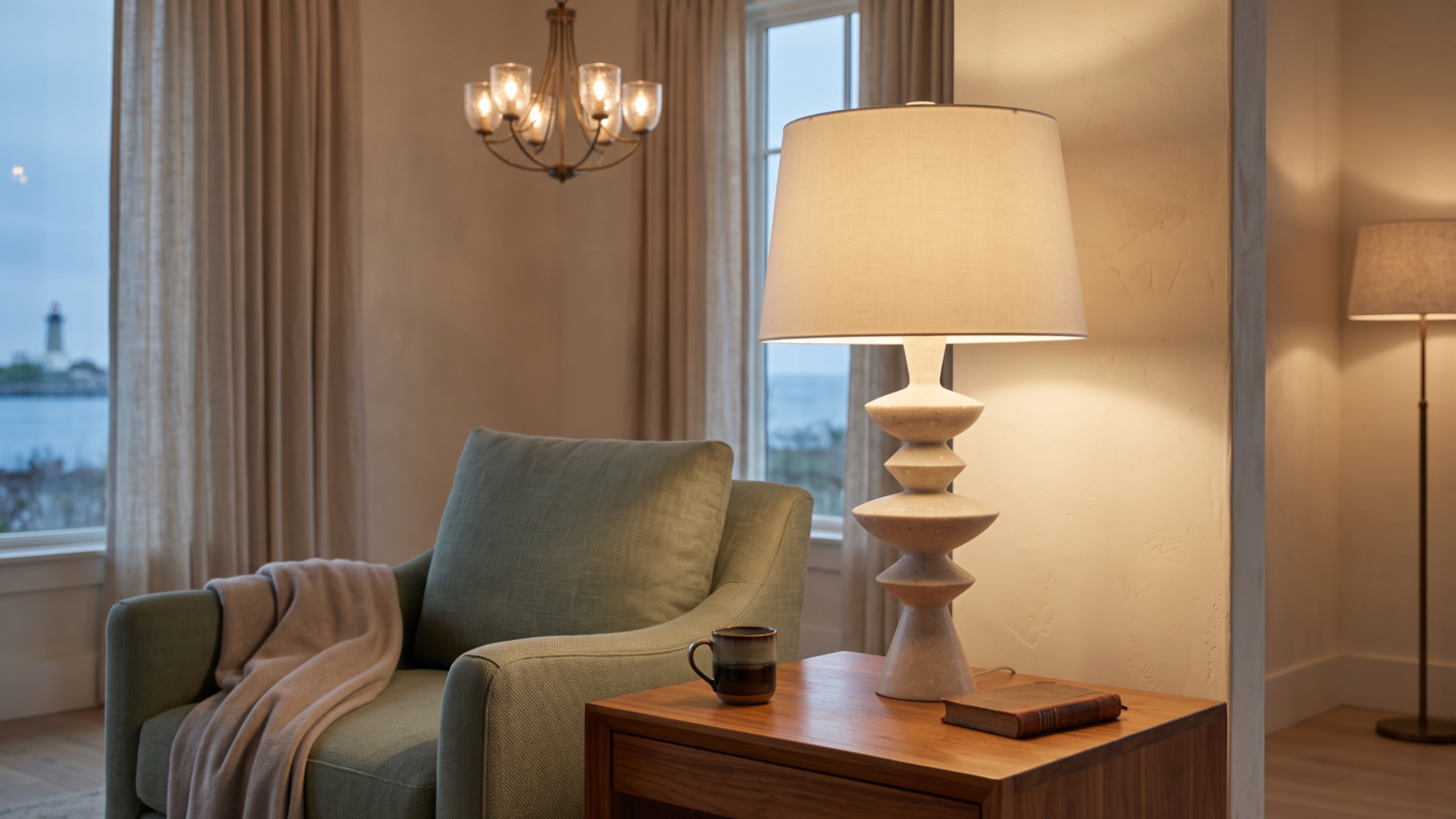
The Jillian Table Lamp is a natural addition to a layered lighting scheme, offering another opportunity to make illumination part of the room's overall design.
When planning lighting, consider not only where you need brightness but also where you want softness. The most inviting rooms often have a beautiful balance of both.
5. Create Contrast, Not Perfect Coordination
There's something undeniably appealing about a room that looks as though it has evolved naturally over time.
Rather than purchasing every piece from the same collection, designers often combine furniture with different silhouettes, finishes, and influences. A contemporary upholstered bed might sit beside a more traditional nightstand, while a streamlined sofa could be paired with an antique-inspired side table.
These unexpected combinations give a room personality.
The secret is finding a common thread. Pieces don't need to match, but they should relate to one another through color, proportion, material, or overall mood.
For example, a painted side table can create a beautiful contrast against a natural wood bed or dresser. The difference in finishes introduces interest, while a shared sense of scale and simplicity keeps the arrangement cohesive.
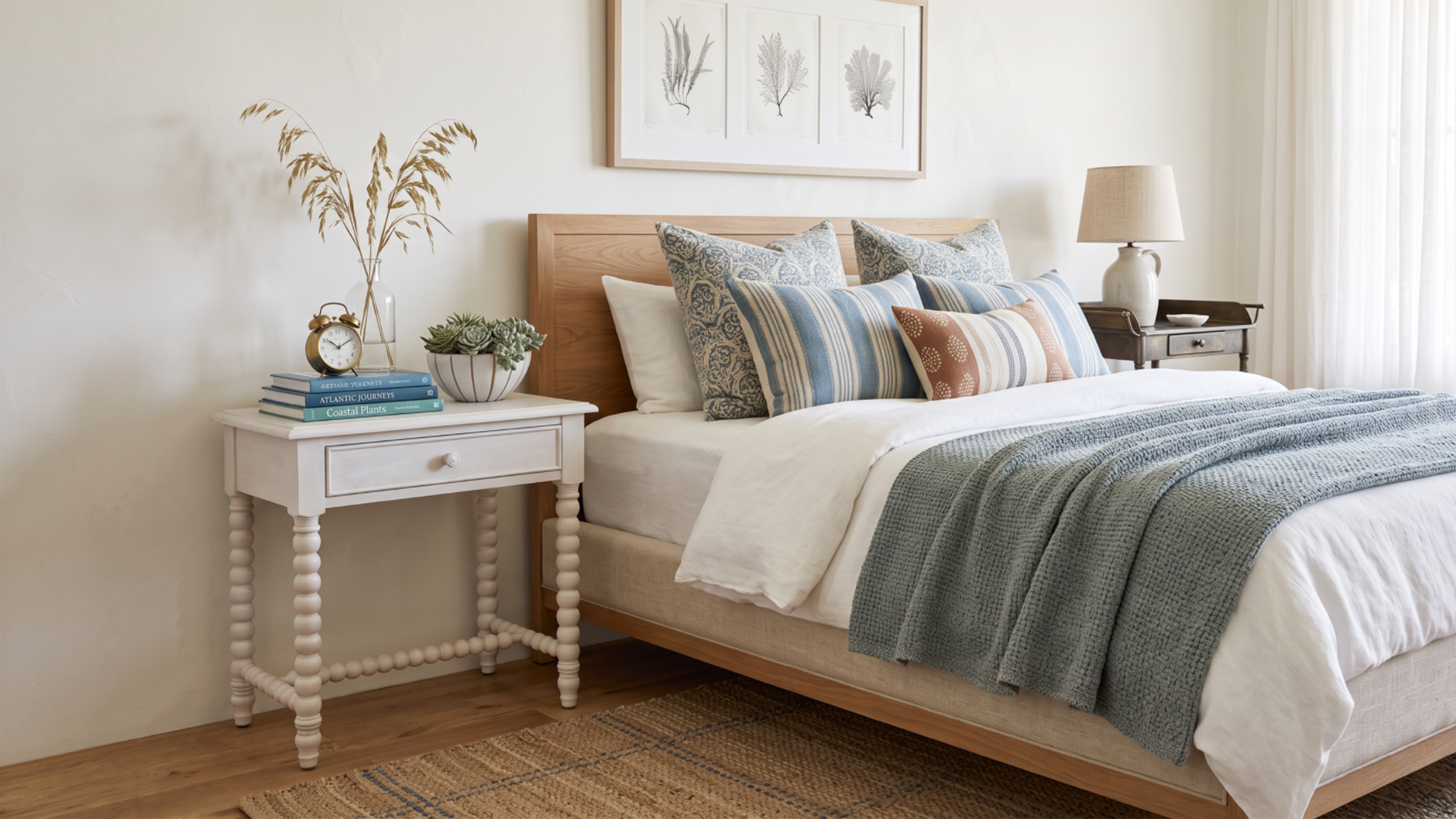
The Clarke Side Table is the kind of versatile piece that can be incorporated into a thoughtfully mixed furniture arrangement.
If you're hesitant to combine different styles, start small. Introduce one piece with a contrasting finish or silhouette and observe how it changes the room.
Often, it's that unexpected element that makes a space feel less like a showroom and more like a home.
6. Finish With Intention
The final layer of a beautifully designed room is often the most personal.
Artwork, books, ceramics, greenery, and collected objects give a space its individual character. But the difference between a thoughtfully styled room and one that feels cluttered frequently comes down to restraint.
Designers don't necessarily use more accessories. They simply consider how each object contributes to the composition.
A console table provides a wonderful opportunity to practice this principle. Begin with a substantial piece of artwork or a mirror to establish height and visual presence. Add a lamp or tall vase to create an asymmetrical arrangement, then introduce a few smaller objects that bring texture and personality.
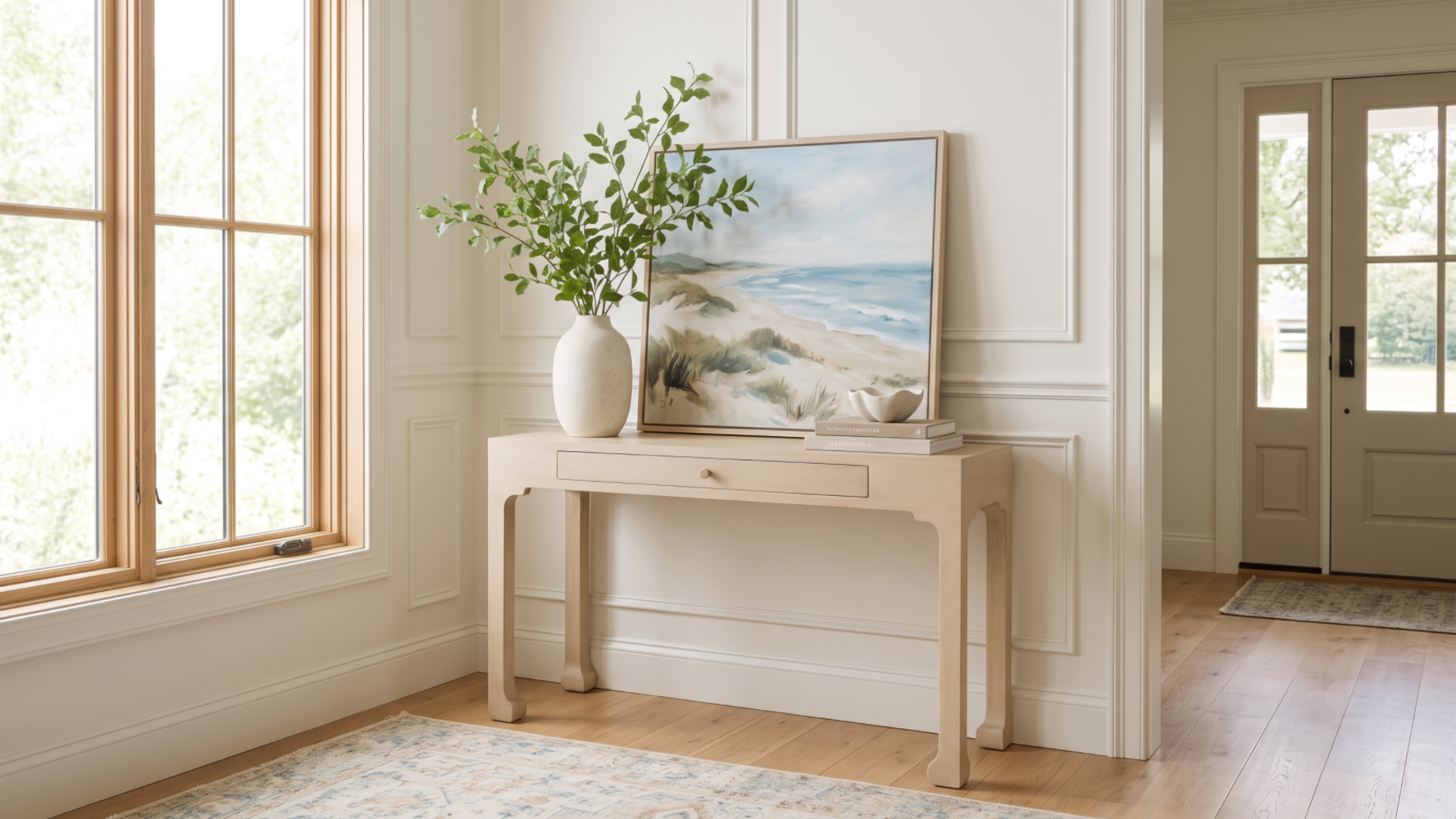
The Morris One Drawer Console Table offers a versatile foundation for creating this kind of curated vignette.
Pay attention to the spaces between objects as much as the objects themselves. Grouping a few meaningful pieces together often creates greater impact than spreading accessories evenly across every available surface.
And don't feel compelled to fill every corner. A little breathing room allows the eye to appreciate the details you've chosen.
The most beautiful finishing touches are rarely the most elaborate. They're the ones that feel personal, purposeful, and perfectly at home.
The Beauty of a Thoughtfully Designed Home
What separates a beautifully furnished room from a beautifully designed one isn't always immediately obvious. It's the way a rug grounds the furniture, how a statement piece establishes a focal point, or the subtle warmth created by a thoughtfully placed lamp.
These decisions work together, quietly shaping how a space looks and feels.
And while designers may spend years refining their eye, the principles they rely on are accessible to anyone willing to look at their home a little differently.
Start with what you have. Consider the balance of your furniture, the interplay of materials, and the way light moves through your rooms. Make changes gradually, choosing pieces that complement your home rather than simply fill an empty space.
Because ultimately, a designer-worthy home isn't about achieving perfection. It's about creating a place that feels considered, comfortable, and unmistakably yours.
Explore thoughtfully crafted furniture, distinctive finishes, and timeless pieces at Cottage & Bungalow — where coastal charm meets enduring style.